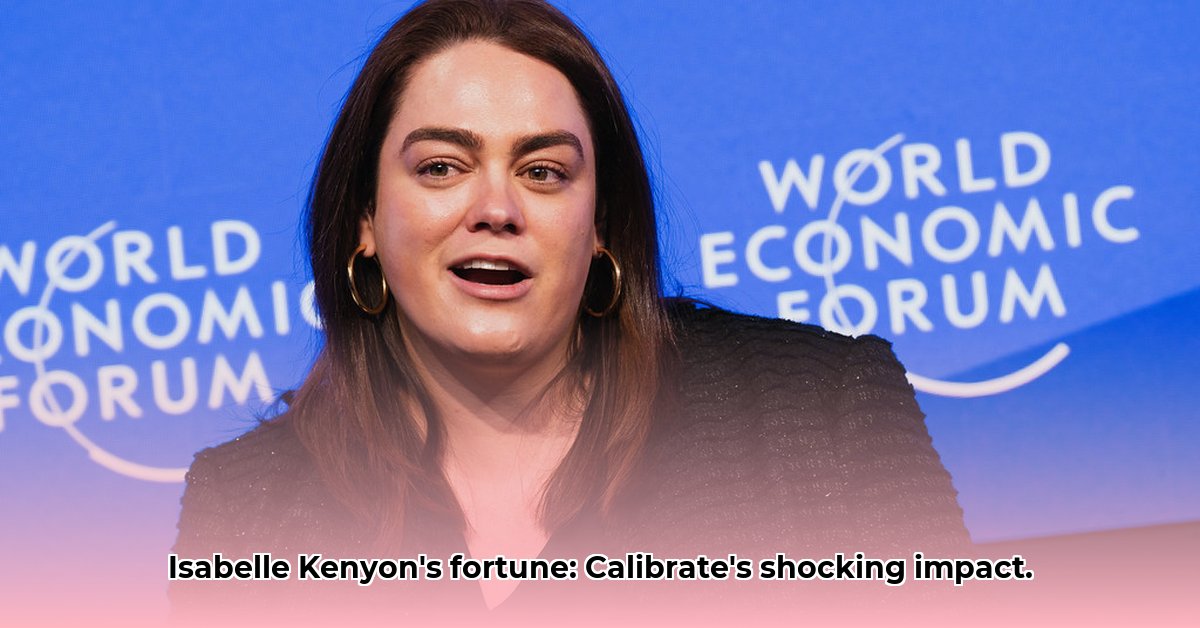
Isabelle Kenyon Net Worth: The Rise and Fall of Calibrate and its CEO
The meteoric rise and subsequent fall of Calibrate, the telehealth company utilizing GLP-1 medications like Ozempic for weight loss, presents a compelling case study in the complexities of the healthcare technology industry. This analysis explores the impact of Calibrate's financial difficulties on its former CEO, Isabelle Kenyon, and examines the challenges in determining her current net worth.
Calibrate's Rapid Ascent and Dramatic Decline
Calibrate initially experienced phenomenal success. Significant funding rounds fueled rapid growth, positioning the company as a leader in the burgeoning telehealth weight-loss market. However, this seemingly unstoppable trajectory was abruptly halted by a convergence of challenges. Severe shortages of GLP-1 medications, a cornerstone of Calibrate's service offering, forced the company to issue refunds, severely impacting its financial stability. The subsequent failure to secure a planned acquisition further exacerbated the situation, leading to widespread layoffs and a major corporate restructuring. These events irrevocably altered Calibrate's trajectory, leaving many to question the financial impact upon key figures like Isabelle Kenyon.
Assessing the Impact on Isabelle Kenyon's Finances: A Complex Equation
Precisely quantifying Isabelle Kenyon's current net worth proves challenging. Private financial information is, by its nature, confidential. Therefore, any definitive statement regarding her exact net worth would be speculative and irresponsible. To understand the potential impact of Calibrate's downfall, we must consider several crucial factors: her compensation package at Calibrate, the value of her stock options (if any), and the extent of any personal investments. This level of detail is typically unavailable for executives of privately held companies.
Unpacking the Clues: A Tentative Assessment
While precise figures are unavailable, we can analyze the available public information to speculate on the likely impact on Kenyon's wealth. Calibrate’s financial struggles were undeniably substantial. The compounding effects of medication shortages, the failed acquisition, and the ensuing restructuring significantly diminished the company's valuation. This undeniably reduced the value of any equity Kenyon held.
However, a complete picture cannot be painted based solely on this information. It’s important to note that factors beyond the medication shortages may have contributed to Calibrate's problems. The eventual success or failure of the company's restructuring plan remains unknown, further clouding the estimation of any potential impact on Kenyon's wealth.
Let's consider these key points:
- Initial Wealth Accumulation: Calibrate's early success and substantial funding rounds likely resulted in a considerable increase in the value of Kenyon's stock options or equity.
- Substantial Losses: The company's subsequent financial woes, including the need for layoffs and restructuring, significantly diminished the value of her Calibrate holdings.
- The Unsuccessful Buyout: The collapse of the planned acquisition further reduced Calibrate's valuation, impacting Kenyon's financial position.
The Limits of Public Information: A Note of Transparency
It's crucial to reiterate that this analysis cannot provide a precise figure for Isabelle Kenyon's net worth. Any attempt to provide an exact number without verifiable data would be both unethical and inaccurate.
Lessons Learned: Implications for the Healthcare Tech Sector
Calibrate's experience offers valuable lessons for the healthcare technology industry. The company's reliance on a single, volatile medication supply chain highlighted a significant vulnerability. The case underscores the need for robust supply chain diversification and the importance of maintaining long-term financial stability, rather than solely focusing on rapid growth fueled by venture capital. It's a cautionary tale of the unpredictable risks inherent in the healthcare industry, especially in the volatile landscape of pharmaceuticals. While the impact on Isabelle Kenyon's net worth remains unclear, the broader implications of Calibrate's case are undeniable.
The dramatic fall of Calibrate serves as a sobering reminder of the unpredictable nature of the business world, particularly within the healthcare sector. While speculation surrounding Isabelle Kenyon's net worth is understandable, it's crucial to adhere to the highest standards of journalistic integrity, acknowledging the limitations imposed by the lack of access to private financial data.
How Did Medication Shortages Impact Calibrate's Restructuring and Future Prospects?
Calibrate's dramatic downturn exemplifies the high-stakes nature of the healthcare fintech industry. The company's reliance on readily available GLP-1 medications like Ozempic and Wegovy proved to be its Achilles' heel. How did these shortages contribute to the company's restructuring and its uncertain future?
The Critical Role of GLP-1 Medication Availability
Calibrate’s business model was intrinsically tied to the consistent availability of GLP-1 medications. The surge in popularity of these drugs, however, led to widespread shortages. This wasn't a minor inconvenience; it was a crisis that crippled the company's ability to deliver its core service. The resulting inability to provide the promised medications forced Calibrate to issue substantial refunds, severely impacting its revenue and financial stability, ultimately leading to a domino effect.
The Cascade Effect: Restructuring and Layoffs
The medication shortages triggered a cascade of negative consequences. Reduced revenue necessitated a radical restructuring of the company. Layoffs became a painful necessity, underlining the precariousness of Calibrate's initial business model’s reliance on an unstable supply chain.
Strategic Pivot: From DTC to Enterprise Partnerships
Calibrate's original direct-to-consumer (DTC) model proved unsustainable in the face of the medication shortages. The restructuring involved a significant shift towards forging partnerships with large corporations and insurance providers. This represents a substantial strategic gamble, as success depends on securing favorable contracts and navigating complex regulatory environments.
Uncertainty Looms: The Road Ahead for Calibrate
The medication shortages profoundly impacted Calibrate's restructuring and future prospects. While a pivot to enterprise partnerships offers a potential pathway to recovery, the road ahead remains uncertain, laden with challenges and significant risks. The company's long-term viability hinges on its ability to navigate this new landscape and establish sustainable revenue streams.
Key Takeaways:
- The medication shortages directly impacted Calibrate's revenue, leading to financial instability.
- The shortages necessitated a major restructuring, including significant layoffs.
- Calibrate shifted its strategy from a DTC model to a focus on enterprise partnerships.
- The company's long-term viability and future success remain uncertain.